

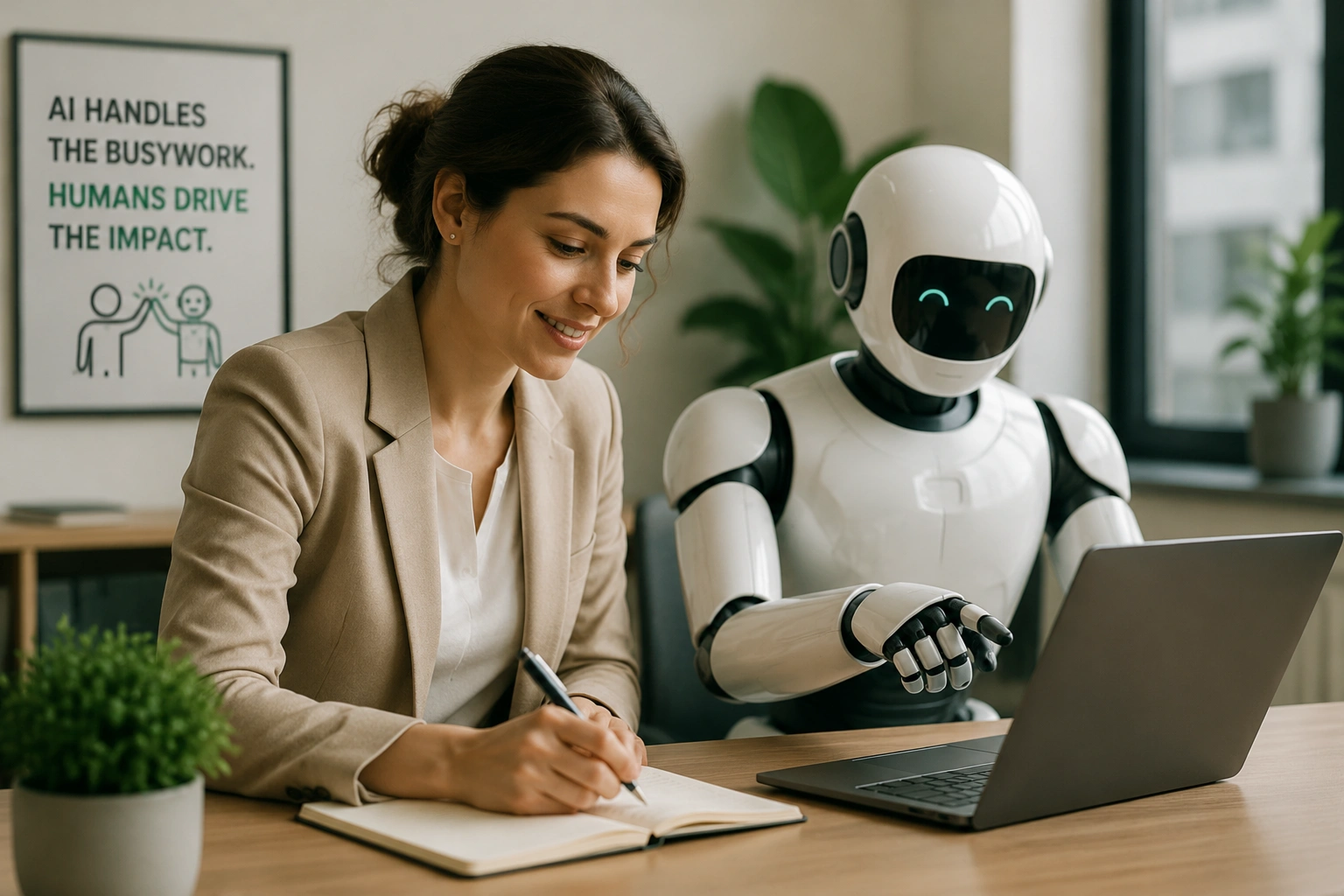
I want to make a clear argument. In an era of AI-generated outreach, automated follow-ups, and algorithmically optimised sales sequences, the human element in selling is not becoming less important — it’s becoming more important. The organisations that will win are not the ones that replace humans with automation. They are the ones that use automation to amplify human capability.
This is not nostalgia. I am not arguing for a return to cold calling and handwritten letters. I am arguing that the specific capabilities that make human salespeople irreplaceable — empathy, judgement, trust, the ability to navigate ambiguity — are becoming more valuable, not less, as automation handles more of the transactional work.
What Buyers Actually Want
The research on B2B buying behaviour is consistent and has been for years: buyers want to engage with salespeople who understand their specific situation, who bring genuine insight rather than generic pitches, and who they trust to act in their interest rather than just to close a deal.
What buyers do not want is being on the receiving end of sequences that feel impersonal and generic. The spray-and-pray email campaign. The LinkedIn connection request followed immediately by a pitch. The follow-up that ignores what was actually said in the previous conversation. The difference is not whether automation is used — it’s whether the human is in the loop, reviewing and personalising every interaction before it goes out.
“We gave salespeople computers to make them more productive. Then we gave them CRM systems. Then marketing automation. Then engagement platforms. At each step, we added capability — and added administrative overhead. The net result is that reps spend less time selling than they did before.”
— Nick Dixon
The Power of Human-in-the-Loop Automation
The most effective approach to sales technology is not full automation or no automation. It’s human-in-the-loop automation — where technology handles the repetitive work, but humans retain control over every customer-facing interaction. This is where the real competitive advantage lies.
When a rep uses AI to research a prospect and then personalises the outreach based on that research, the prospect feels seen. When a workflow drafts a proposal and the rep reviews it to ensure it addresses the specific concerns raised in the discovery call, the buyer feels valued. When follow-ups are triggered by logic but reviewed by a human before sending, they feel genuine.
The Skills That Cannot Be Automated
There is a specific set of capabilities that great salespeople deploy in their best moments — and that no current or foreseeable AI system can replicate.
- Reading the emotional temperature of a conversation and adjusting accordingly
- Sensing when a prospect is hesitating and understanding why — without them saying so
- Building genuine rapport through shared experience, humour, and authentic interest
- Making judgement calls about when to push forward and when to give space
- Navigating complex stakeholder dynamics with multiple competing interests
- Earning trust through consistency, transparency, and demonstrated integrity over time
These are not soft skills in the pejorative sense. They are the hard skills of commercial relationship-building — and they are the skills that determine whether a deal closes, whether a customer renews, and whether a relationship becomes a source of referrals and long-term revenue.
The Right Division of Labour
The question is not whether to use AI in sales. The question is how to use it in a way that keeps humans in control. The answer is clear: use AI to handle the administrative burden, but require human review and personalisation before any customer-facing interaction.
Use AI to research prospects so reps arrive at meetings genuinely informed. Use AI to draft proposals so reps can focus on the strategic framing and personalisation rather than the document production. Use AI to capture meeting notes so reps can be fully present in the conversation rather than half-focused on transcription.
And then let the human do what the human is for: reviewing the research, personalising the outreach, exercising the judgement, and building the relationship. The human should never be removed from the loop — they should be freed to focus on what matters.
The organizations that will outperform in the next decade are not the ones that fully automate their sales process. They are the ones that use AI to eliminate the administrative burden, keeping humans in control of every customer-facing interaction — freeing them to do more of what only humans can do: build relationships, exercise judgment, and earn trust.
A Note on Culture
There is a cultural dimension to this that deserves acknowledgement. Organisations that adopt the human-in-the-loop approach — that see AI as a tool to amplify human capability — send a clear signal to their salespeople. They signal that the human element is valued. That the goal is to make people more effective, not to replace them.
The best salespeople — the ones you most want to retain — will read that signal and respond accordingly. The organisations that will attract and keep exceptional commercial talent are the ones that invest in making their people better by removing the administrative burden, not the ones that invest in making their people redundant.